
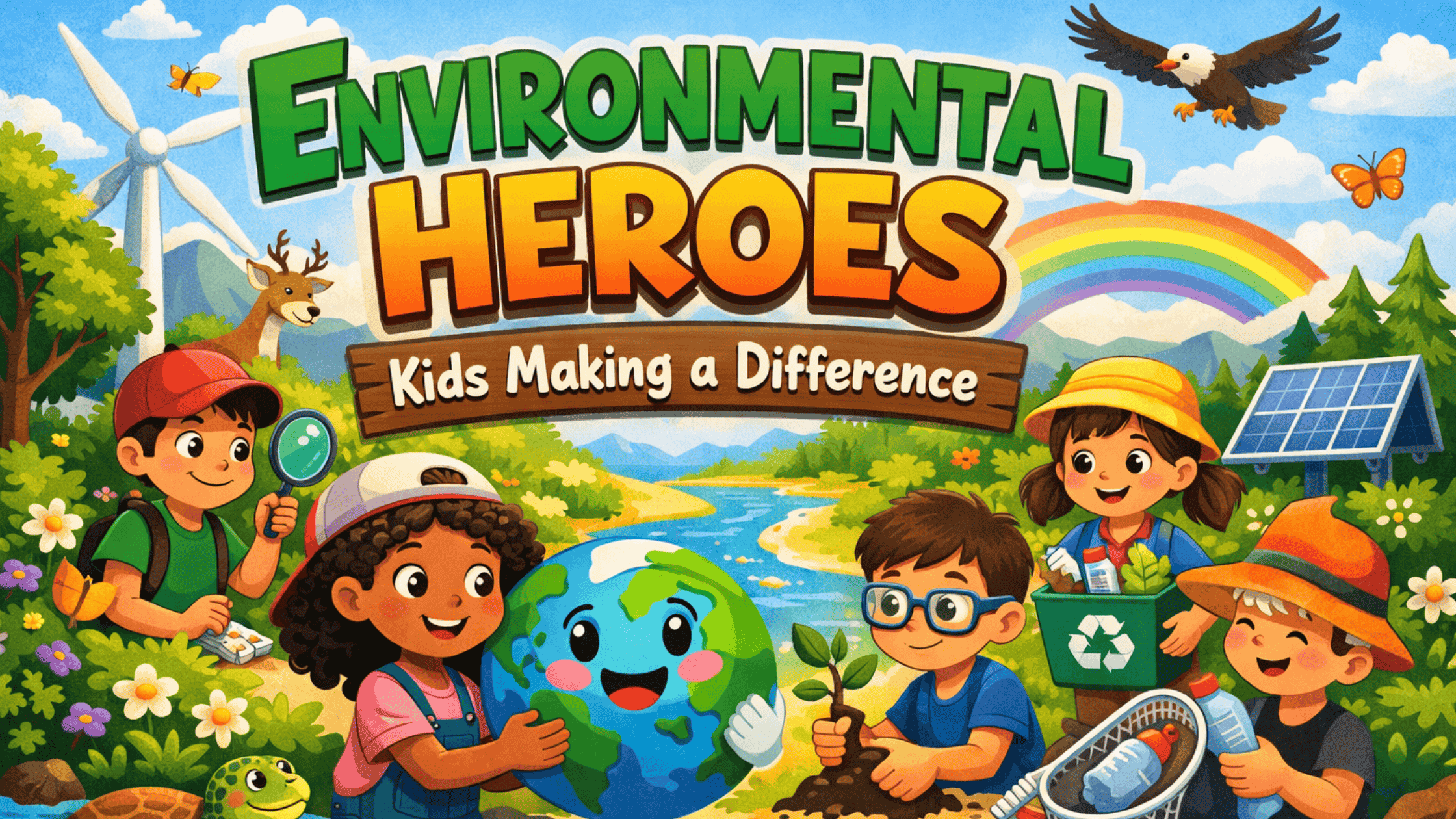
Environmental Heroes: Kids Making a Difference
Last monsoon season, a 12-year-old girl from Pune spent her summer vacation collecting discarded plastic bottles from her neighbourhood lake. She didn’t wait for permission. She simply started. Within three weeks, 40 other children had joined her, and that lake looks completely different today.
This story plays out across India every single day. From the lanes of Jaipur to the coastal stretches of Odisha, children are waking up to something their parents’ generation rarely discussed: the planet needs their help right now, and they are ready to give it.
Why Indian Kids Are Uniquely Positioned to Lead
Indian children grow up surrounded by a powerful contradiction. They see the Ganga worshipped on one bank and polluted on another. They learn about Vanaprastha, the life stage dedicated to restoring nature, from their grandparents, yet they walk to school past overflowing landfills. This tension creates something powerful: an awareness that demands action.
Children notice what adults have learned to normalise. That curiosity is the sharpest environmental tool any generation has ever produced.
Real Children. Real Impact. Real India.
India is home to some of the most remarkable young environmental voices on the planet. These children prove, clearly and repeatedly, that age is no barrier to meaningful change.
Ridhima Pandey from Haridwar filed a legal petition against the Indian government at the age of 9, demanding stronger climate action. She later joined 15 other child petitioners at the United Nations, including Greta Thunberg, and was named one of the BBC’s 100 Most Influential Women in the World.

Licypriya Kangujam from Manipur began her climate activism at age six. She addressed world leaders at the 2019 UN Climate Change Conference in Madrid and continues demanding that climate education become mandatory in every Indian school.

Aditya Mukarji from Gurgaon took on single-use plastic straws at age 16, convincing hundreds of restaurants, hotels, and cafes across India to eliminate them. He believes every citizen must correct their polluting lifestyle and move toward eco-friendly living.
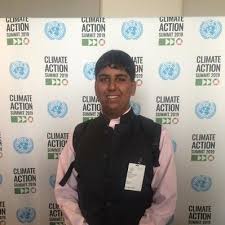
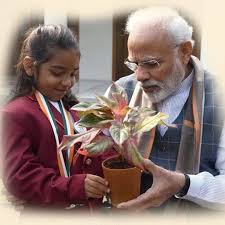
Eiha Dixit from Meerut started growing saplings at the age of four. Through her Green Eiha Smile Foundation, she and her volunteers have planted over 20,000 saplings across her city, creating mini forests and green belts. Prime Minister Narendra Modi personally acknowledges her as his youngest friend.
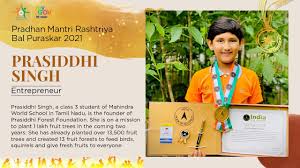
Prasiddhi Singh from Tamil Nadu was moved to act after Cyclone Vardah devastated her region in 2016. She became a social entrepreneur and conservationist at age 11, channelling personal grief into a nature conservation mission recognised across South Asia.
Sagarika Sriram, an Indian expat, built a digital platform called Kids for a Better World as a school project. It has united nearly 100,000 young people globally who want to fight climate change, earning recognition from the UN Environment Programme.

These are not children from extraordinary circumstances. They are children whose parents paid attention to what mattered to them — and gave them space to act on it.
What This Looks Like at Home
You do not need your child to address the United Nations. You need them to understand why the lights should go off when they leave a room.
Start with conversations at the dinner table. Ask your child what they noticed outside today. Ask what they think happens to the wrapper tossed from a car window. These questions build environmental literacy, the ability to read the world through a lens of consequence. Children who feel connected to nature protect it.
Age-by-Age: What Your Child Starts Doing Right Now
Ages 5–8: Let them water plants, sort household waste into wet and dry bins, and feed birds on the balcony. These acts establish a relationship with natural systems that stays with them for a lifetime.
Ages 9–12: Give them real responsibility. Assign them ownership of your home’s electricity tracker for one month. Let them research which vegetables are in season and why buying local matters.
Ages 13 and above: Teenagers need purpose, not just tasks. Support them in organising a waste audit in your building society or writing to your local municipal corporation about a specific environmental problem in your neighbourhood.
Action Beats Anxiety Every Time
Many Indian children today carry a quiet underlying fear about climate change — floods, heatwaves, water shortages. This fear is valid. But helplessness makes fear grow heavier, and action makes it manageable.
When your child plants a sapling and watches it grow, they build personal evidence that their choices change outcomes. That lesson stays with them long after the sapling becomes a tree.
The Legacy That Actually Matters
The generation growing up today will inherit a world where clean air, stable rainfall, and drinkable water are not guaranteed. The most valuable inheritance you can give your child is the confidence that they have the power to protect what they love, and the daily habit of acting on that confidence.
Your child is already asking the right questions. The next move belongs to you.
Start this Today: Ask your child one question about the environment. Then listen. You will be surprised by what they already know, and what they are ready to do.